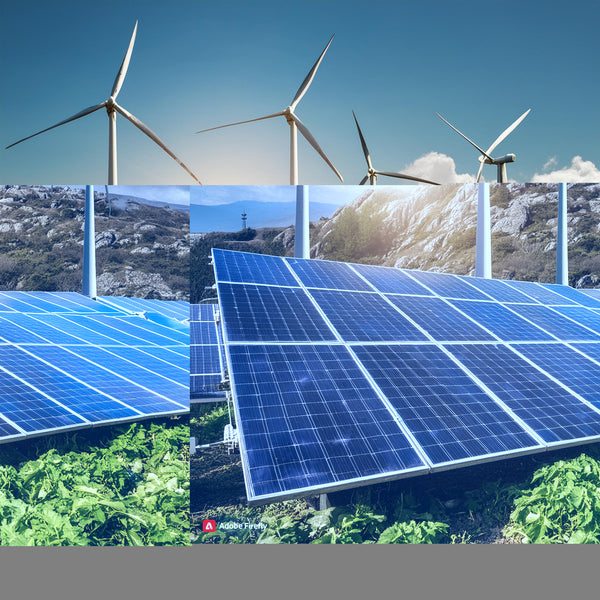

A Deep Dive into Gasoline, Propane, and Solar Generators
If you’re weighing your options for backup power or a portable setup, it helps to know how each generator actually works, what they’re great at, and what to watch out for. I’ll walk you through gasoline, propane, and solar generators in plain language, explain the basic steps to set and start each one, and give the pros and cons so you can pick what fits your life. 
Quick overview of how each generator works
-
Gasoline generators: Use a small internal combustion engine that burns gasoline to turn a shaft and spin an alternator, which produces electricity. Think of a lawnmower engine hooked to a power outlet.
-
Propane generators: Very similar to gasoline generators, but burn propane instead. The fuel is fed from a tank, and the engine runs on that gas.
-
Solar generators: Uses solar panels to collect sunlight and convert it into electricity, which charges a battery (often lithium). The stored energy is then inverted to provide AC power for your devices.
How they actually function in plain terms
-
Gas and propane generators both rely on mechanical motion: fuel + engine → spinning → electricity. They produce power while the engine is running.
-
Solar generators rely on chemistry and electronics: sunlight → panels → electricity → battery storage → inverter → usable power. They give power even when the sun isn’t shining, but only as long as the battery has a charge.
Step-by-step: Setting up and starting each generator

Gasoline generator — setup and start
-
Place it: Put on a flat, well-ventilated surface outdoors at least 10–20 feet from doors or windows.
-
Check fluids: Make sure there’s clean gasoline in the tank and that the oil level is correct.
-
Inspect: Look for loose parts, fuel leaks, or damage.
-
Turn on fuel valve: If your model has one, open it.
-
Set choke: For a cold start, move the choke to the “closed” or “start” position.
-
Turn on ignition: Switch the engine to “on.”
-
Pull or electric start: Pull the recoil cord firmly or press the electric start button.
-
Warm up and adjust choke: After it runs, move choke to “run.”
-
Plug in/load: Connect devices or transfer essential circuits using a transfer switch or extension cords rated for the load.
-
Refuel safely: Turn off the engine and let it cool before refueling.
Propane generator — setup and start
-
Place it: Outdoors on a flat surface, same distance from structures as gasoline units.
-
Connect propane: Securely attach the regulator hose to a propane tank; check for leaks with soapy water if unsure.
-
Check oil: Propane engines still need oil; check the level.
-
Open tank valve: Slowly open the propane cylinder valve.
-
Set choke/priming: Some models need choke or priming for cold starts; follow the manual.
-
Start engine: Use the electric start or pull cord.
-
Adjust for steady run: Let it warm up and monitor engine behavior.
-
Switch off safely: Close tank valve and allow engine to run until it stops, or follow your model’s shut-down steps.
Solar generator — setup and start
-
Choose location: Position panels in direct sunlight, angled toward the sun, away from shade.
-
Unpack and connect: Lay panels on a stable surface or mount them; connect panel cables to the generator’s charge controller/port.
-
Charge battery: Let the unit charge; monitor charge indicator.
-
Turn on inverter: Switch on the inverter to get AC power.
-
Plug in devices: Connect appliances to the generator’s AC or DC outlets.
-
Monitor usage: Watch battery level and plan for recharging (sunlight or alternative input if supported).
-
Store properly: If not in use, keep battery in cool, dry place and maintain charge periodically.
Pros and cons — what to expect in real life
Gasoline generators
-
Pros
-
Powerful: Good for heavy loads and running multiple appliances.
-
Fuel readily available: Gasoline is easy to find, especially during short-term outages.
-
Lower upfront cost: Generally cheaper to buy than propane or big solar systems.
-
-
Cons
-
Smelly and noisy: Engines are loud and emit fumes.
-
Shorter runtime: Gasoline storage limits how long they run; frequent refueling needed.
-
Fuel stability: Gas goes bad over time; it needs stabilizers or rotation.
-
Maintenance: Oil changes, spark plugs, carburetor cleaning.
-
Propane generators
-
Pros
-
Cleaner burning: Fewer particulates and longer shelf life of fuel.
-
Longer storage life: Propane doesn’t degrade like gasoline.
-
Good for longer outages: A larger tank means longer runtime without refueling trips.
-
-
Cons
-
Less energy dense: You may need more fuel volume for the same runtime.
-
Cold-weather issues: Propane can be harder to vaporize in very cold temps (modern units usually handle this).
-
Slightly higher cost: Tank/regulator setup can add to the expense.
-
Solar generators
-
Pros
-
Quiet and clean: No fuel, no fumes, no moving parts for the most part.
-
Low maintenance: Panels and batteries need little day-to-day attention.
-
Great for emergencies and daily shallow use: Charge phones, medical devices, run a fridge for a while, depending on size.
-
Renewable: Sunlight is free.
Cons
-
Limited by sunlight: Cloudy days or shaded spots reduce output.
-
Higher upfront cost: Batteries and panels can be expensive for large needs.
-
Battery limits: Heavy loads will drain batteries fast; may not handle high-wattage tools.
Slow recharge: Solar charging takes time; overnight recharge depends on battery size and sunlight.
-
-
-
-
-
Which should you pick? Quick guidance
-
Choose gasoline if you need big power bursts, a lower purchase price, and fuel access is not an issue.
-
Choose propane if you want cleaner long-term fuel storage and decent power with fewer fuel worries.
-
Choose solar if you prioritize quiet, clean power and want lower ongoing costs, especially for charging smaller devices or for long-term, sustainable backup.
Final tips for using any generator safely and well
-
Read the manual for your specific model — it’s the best place for exact steps and limits.
-
Use a transfer switch for home backup to safely power circuits without backfeeding the grid.
-
Never run indoors — carbon monoxide is deadly.
-
Match loads to capacity — don’t overload; know starting vs running watts.
-
Keep maintenance regular — oil, filters, battery care will extend life.
Gasoline generators
Gasoline generators are the classic choice: loud, powerful, and ready to go. They use an internal combustion engine to spin an alternator, which makes electricity you can use for tools, appliances, or a small home backup.
How they work
-
Engine turns fuel into power: Gas burns in a small engine that spins a shaft.
-
Alternator makes electricity: That spinning creates AC power, usually 120V or 240V.
-
Outlets deliver energy: You plug in devices directly or through an extension cord.
-
How they work
-
Engine turns fuel into power: Gas burns in a small engine that spins a shaft.
-
Alternator makes electricity: That spinning creates AC power, usually 120V or 240V.
-
Outlets deliver energy: You plug in devices directly or through an extension cord.
-
How to set up and start how they work
-
-
Pick a safe spot:
-
Rule: Keep it outdoors, 20+ feet from doors/windows, on a level surface.
-
Reason: Prevent carbon monoxide buildup and reduce vibration.
-
-
Check oil and fuel:
-
Oil: Use the type recommended in the manual; make sure it’s filled.
-
Fuel: Fresh gasoline only; old gas can make it hard to start.
-
-
Inspect and connect:
-
Cords: Use heavy-duty outdoor-rated extension cords.
-
Load plan: Prioritize essentials (fridge, sump pump, lights).
-
-
Start sequence:
-
Fuel valve on: Open it.
-
Choke: Set to “choke” if the engine is cold.
-
Ignition: Pull the recoil starter or press the electric start.
-
Warm-up: Move choke to “run” after 30–60 seconds.
-
-
Plug in safely:
-
Order: Plug in one device at a time.
-
Limit: Don’t exceed the generator’s rated wattage.
-
-
Shut down properly:
-
Unplug: Remove loads first.
-
Switch off: Turn the generator off.
-
Fuel valve: Close it to prevent leaks.
-
Pros
-
High power: Great for heavy loads like fridges, pumps, and power tools.
-
Fast response: Start and go—ideal for emergencies.
-
Easy to find fuel: Gasoline is widely available at most stations.
Cons
-
Noise and fumes: Loud operation and carbon monoxide risk; must be outdoors.
-
Maintenance: Oil changes, spark plugs, and carburetor care.
-
Fuel storage issues: Gas goes stale; needs stabilizer and safe storage.
-
-
Propane generators
Propane models are similar to gasoline generators, but they burn propane from tanks—the same kind used for grills. They’re cleaner-running and a bit less finicky.
How they work
-
-
-
-
Propane fuel: Burns in an engine to drive an alternator for AC power.
-
Fuel delivery: A regulator and hose feed vapor from the tank to the engine.
-
Stable output: Often smoother starts and cleaner operation.
-
-
-
How to set up and start
1. Place the generator safely:
How to set up and start
- Outdoors only: Just like gasoline, keep it far from living spaces.
- Stable base: Level ground reduces vibration and fuel delivery hiccups.
-
Connect the tank:
-
Regulator: Attach the regulator hose to the tank valve.
-
Check for leaks: Spray soapy water on connections; bubbles mean leaks.
-
-
Open the tank valve:
-
Slowly: Open it a turn or two, then fully open.
-
Prime if needed: Some units have a primer—follow the manual.
-
-
Start sequence:
-
Choke: Set appropriately if the unit uses one.
-
Ignition: Pull-start or use electric start.
-
Warm-up: Let it stabilize for about a minute.
-
-
Plug-in loads:
-
One by one: Avoid sudden large loads.
-
Monitor: Don’t exceed rated wattage.
-
-
Shut down and disconnect:
-
Unplug: Remove devices first.
-
Power off: Turn off the generator.
-
Tank valve: Close it and cap the line.
Pros
-
Cleaner burning: Less carbon buildup and lower emissions.
-
Fuel shelf life: Propane doesn’t degrade like gasoline.
-
Flexible storage: Tanks store well and can be swapped quickly.
Cons
-
Slightly lower power: Some models have lower output than gasoline equivalents.
-
Cold weather performance: Propane vaporization can drop in very cold temps.
-
Tank logistics: You need the right hoses, regulators, and spare tanks.
Solar generators (portable power stations)
Solar generators aren’t “generators” in the traditional sense. They’re battery systems paired with solar panels. They’re quiet, clean, and great for light loads.
-
-
-
Pick panel placement:
-
Sunlight: Aim panels south-facing with minimal shade.
-
Angle: Tilt roughly equal to your latitude for better year-round output.
-
Solar panels convert sunlight: Panels feed DC power into a charge controller.
-
Battery stores energy: Lithium batteries hold power for later use.
-
Inverter makes AC: Converts battery power to standard outlets for devices.
-
-
Connect panels to the station:
-
Cables: Use the included MC4 or proprietary connectors.
-
Polarity: Make sure positive/negative match to avoid damage.
-
-
Charge and check:
-
Top up: Let the battery charge to 80–100% before heavy use.
-
Display: Confirm input (W) and battery percentage.
-
-
Plug in devices:
-
Use inverter sparingly: AC loads use more energy; DC outputs (USB/12V) are more efficient.
-
Prioritize: Phones, lights, laptops, small appliances.
-
-
Manage your load:
-
Watch the watts: Keep total device draw below the inverter’s rating.
-
Cycle charging: Recharge during the day; use power at night.
-
-
Pack down:
-
Fold panels: Store dry and clean.
-
Recharge regularly: Keep the battery healthy with periodic top-ups.
-
Pros
-
Silent and emission-free: No fumes, no noise, indoor-friendly for the battery station.
-
Low maintenance: No fluids, filters, or spark plugs.
-
Great for small loads: Perfect for electronics, lights, and CPAPs.
Cons
-
Weather dependent: Output drops with clouds, shade, and short winter days. Tip: Combine a small wind turbine to assist on nighttime and cloudy days.
-
Limited power: Most units can’t run big appliances for long. [ Unless higher wattage panels and more of them ]
-
Upfront cost: Panels and batteries can be pricey, however, they're Dropping as we speak.
Tip: Pair a solar generator with energy-efficient appliances (LED lights, DC fridges, induction cooktops) to stretch runtime.
How to choose for your situation
-
Emergency home backup:
-
Best fit: Gasoline or propane for higher wattage (fridge, sump pump, space heater).
-
Why: Immediate start, reliable power, and flexible fuel.
-
Consider: Install a transfer switch for safe home circuits.
-
-
Camping, RVs, and tailgating:
-
Best fit: Propane for cleaner, easier fuel storage; solar for silent, light-duty needs.
-
Why: Propane tanks swap easily; solar keeps phones and lights running quietly.
-
Best fit: Solar combined with efficient devices; keep a small fuel generator as backup.
Daily off-grid or eco-focused. Why: Lower running costs, quiet operation, and minimal maintenance..
Safety and smart habits
-
Carbon monoxide: Always run fuel generators outdoors, far from doors and windows.
-
Fuel care: Use a stabilizer in gasoline; store propane upright in ventilated areas.
-
Load management: Know your wattage. Add devices gradually and stay within limits.
-
Maintenance rhythm: Change oil, check filters, and run fuel generators monthly to keep them ready.
-
Extension cords: Use heavy-duty, grounded cords; avoid daisy-chaining.
-
Quick comparison at a glance
-
Gasoline: High power, easy fuel, louder, and more maintenance.
-
Propane: Cleaner, long-lasting fuel, slightly lower power, and tank logistics.
-
Solar: Silent and simple, limited by weather and capacity, great for small loads. However, higher wattage panels and more of them will do the Trick
If you’re just getting started, try this: grab a small solar generator for daily convenience and quiet chores, then keep a propane or gasoline unit for those “the power’s out and the fridge is warm” moments. That combo covers most real-life scenarios without overcomplicating things
-